EmbeddedAI Final Project Meeting

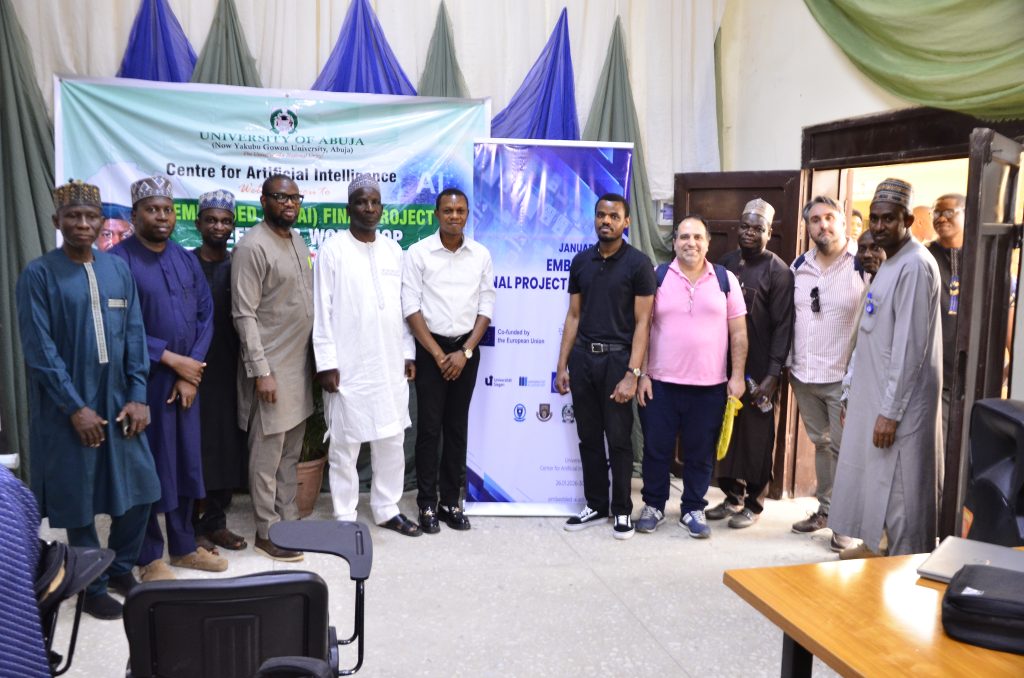
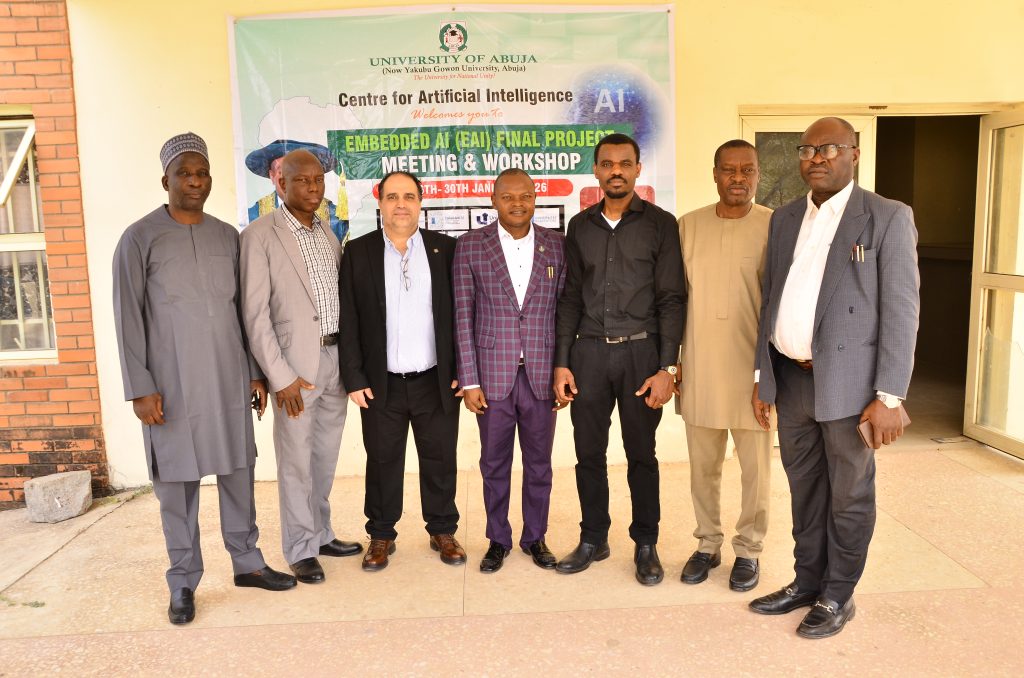
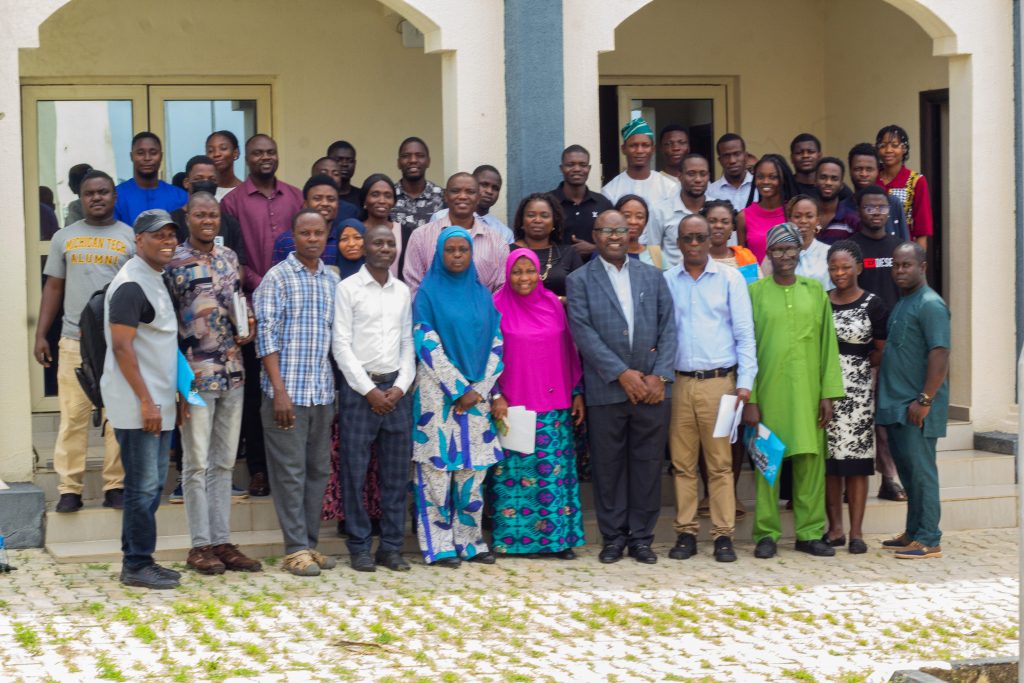
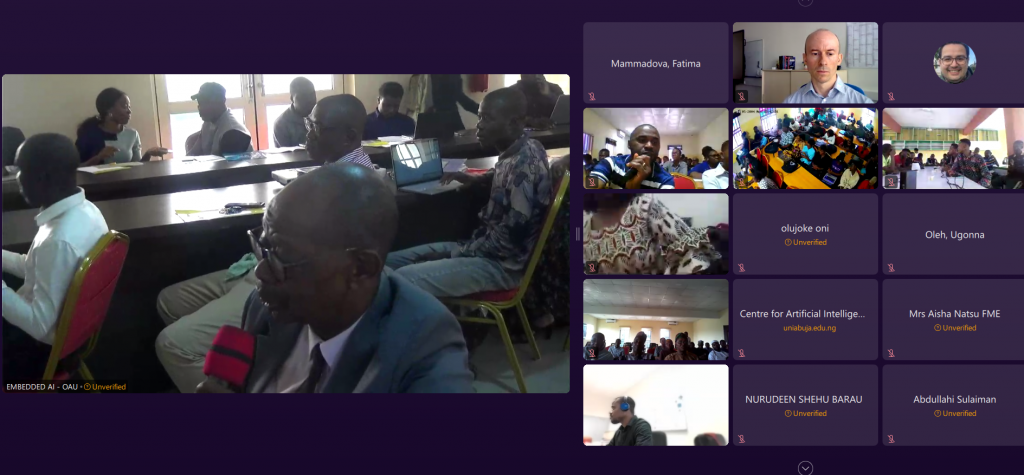
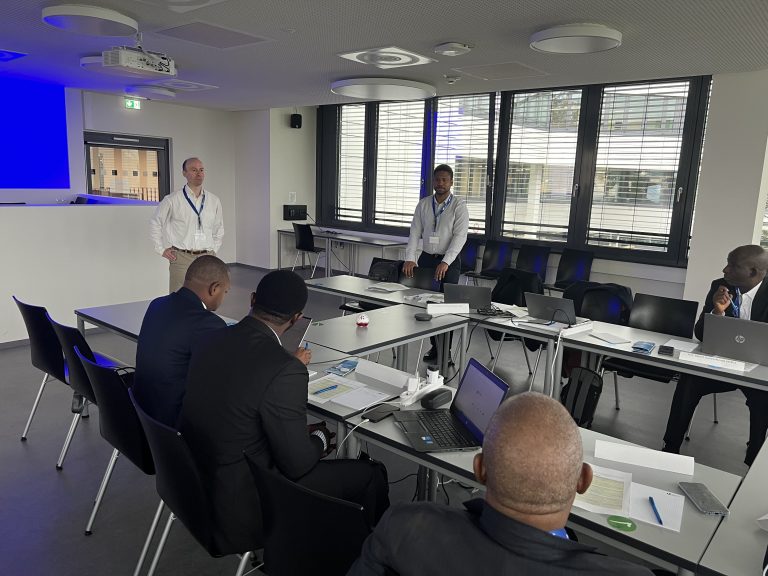
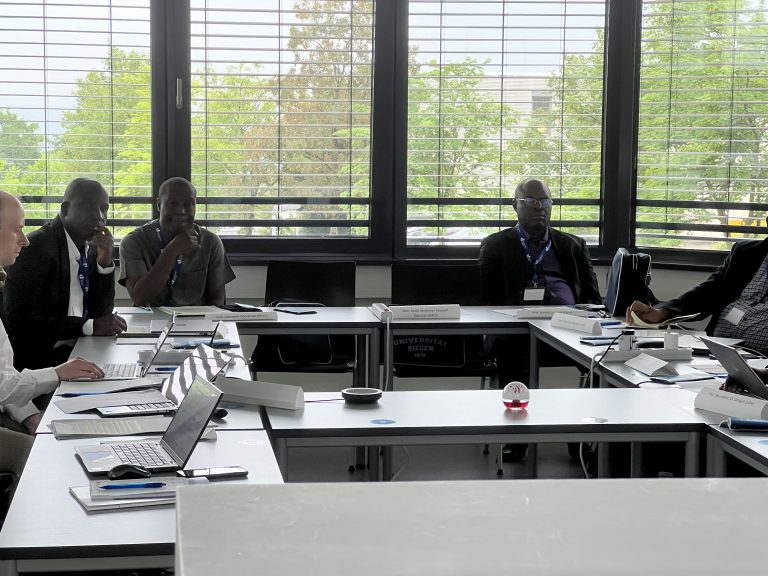
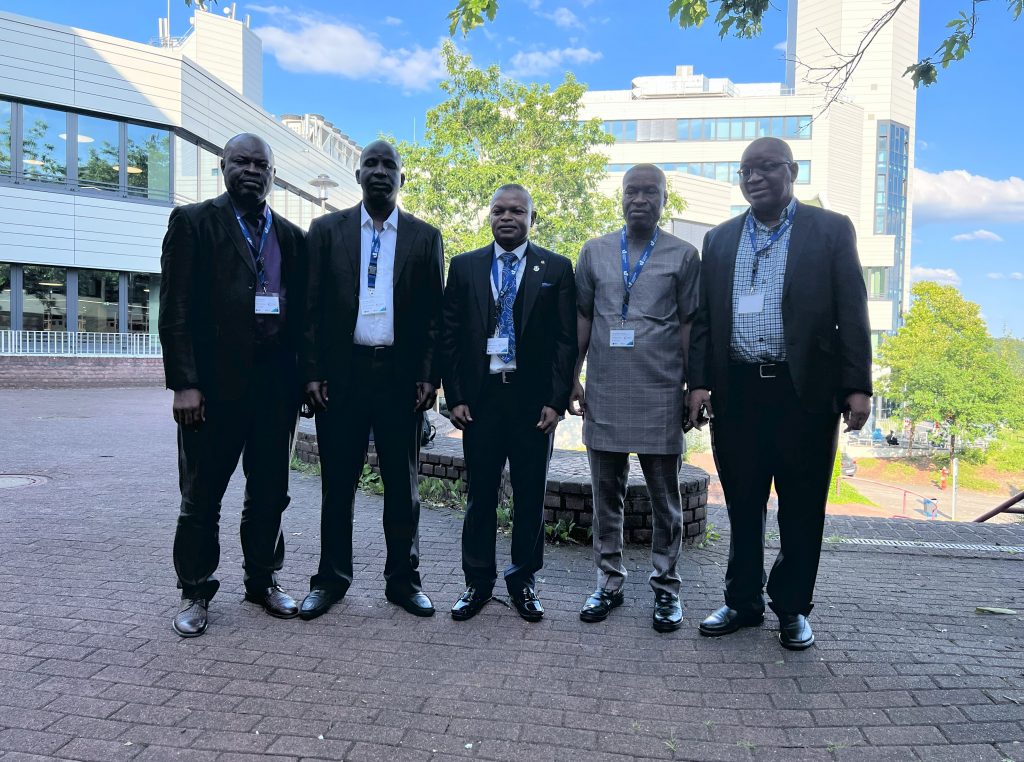
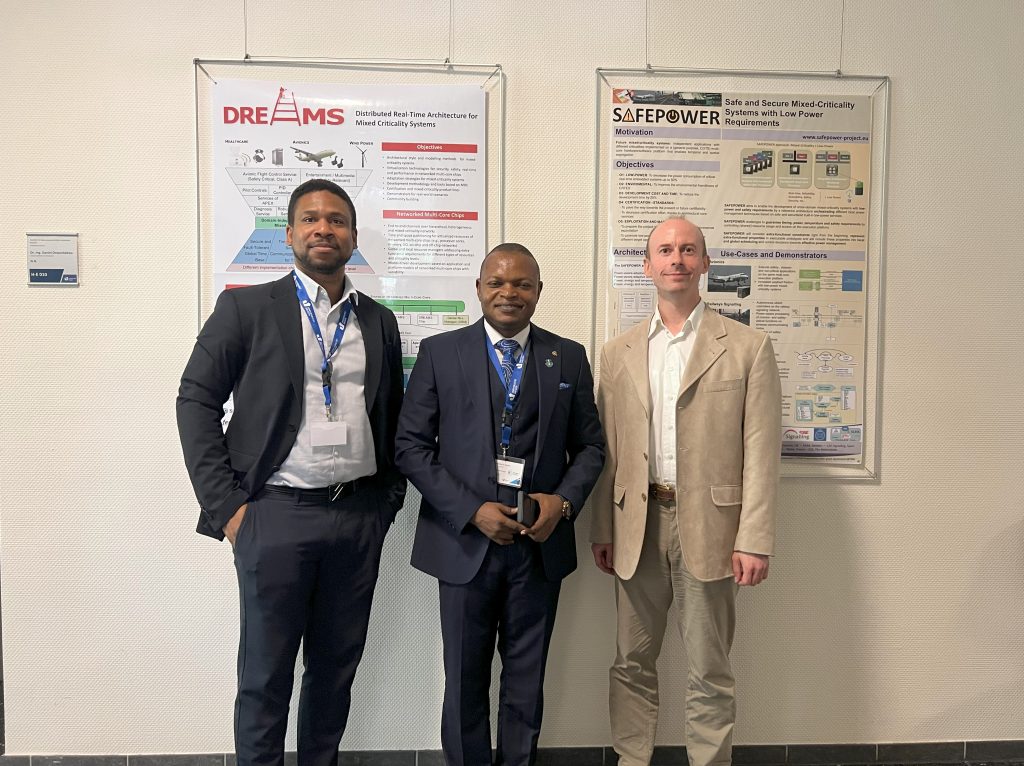
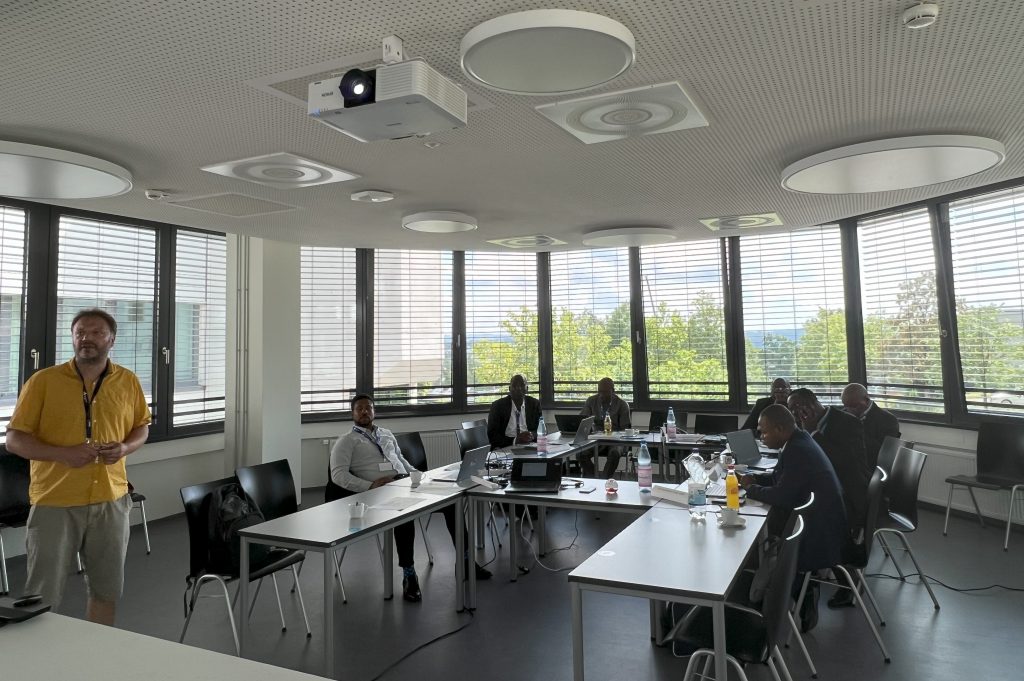
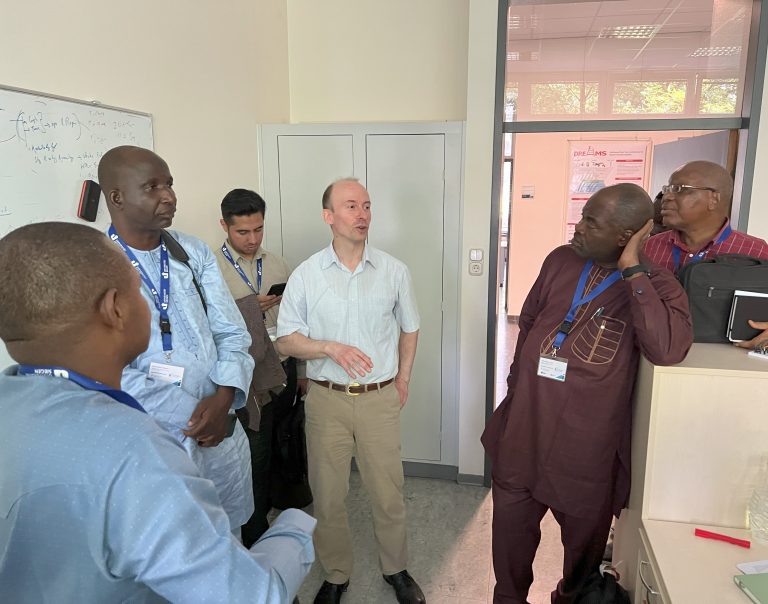
The EmbeddedAI project successfully concluded with its Final Project Meeting, held from 26 to 30 January 2026 at the University of Abuja (UoA). Conducted in a hybrid format, the meeting enabled broad participation from both Nigerian and European partner institutions.

Representatives from the Nigerian partner universities — University of Abuja (UoA), University of Port Harcourt (UPH), Obafemi Awolowo University (OAU), Abubakar Tafawa Balewa University (ATBU), and Michael Okpara University of Agriculture, Umudike (MOUAU) — were joined by colleagues from the European partner institutions, namely the University of Siegen (USI), KTH Royal Institute of Technology, and the University of Klagenfurt (AAU).


As the project’s concluding milestone, the meeting provided an opportunity for partners to present and review the final project results, including key achievements, risk status, open points, dissemination activities, and sustainability measures beyond the project lifetime.

A major highlight of the meeting was the confirmation that the EmbeddedAI Erasmus+ Master’s programme has now been successfully launched across all five Nigerian partner universities, with students already admitted. This represents an important milestone in strengthening embedded systems education and institutional capacity building in Nigeria, while also ensuring that the project’s impact will continue through a sustainable academic pathway.

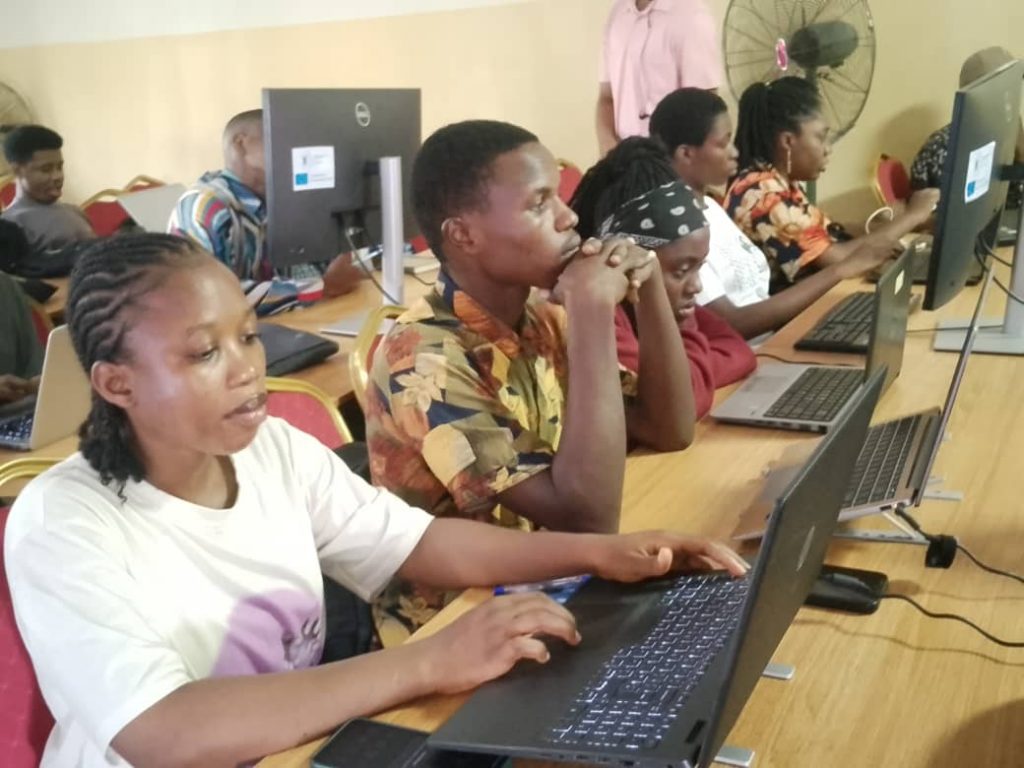
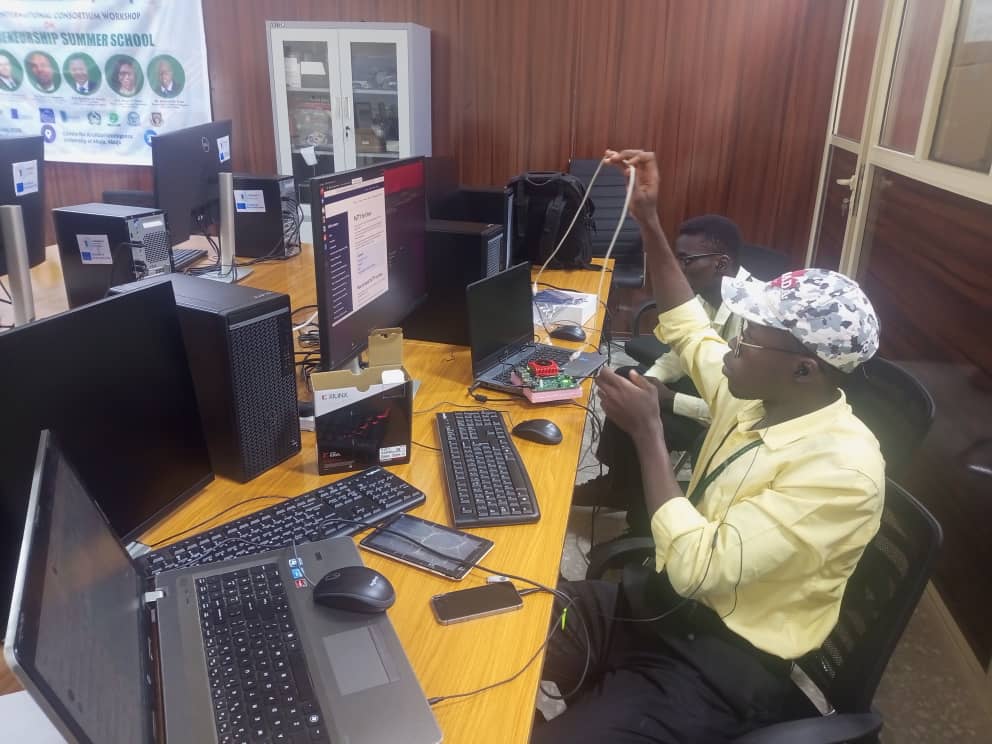
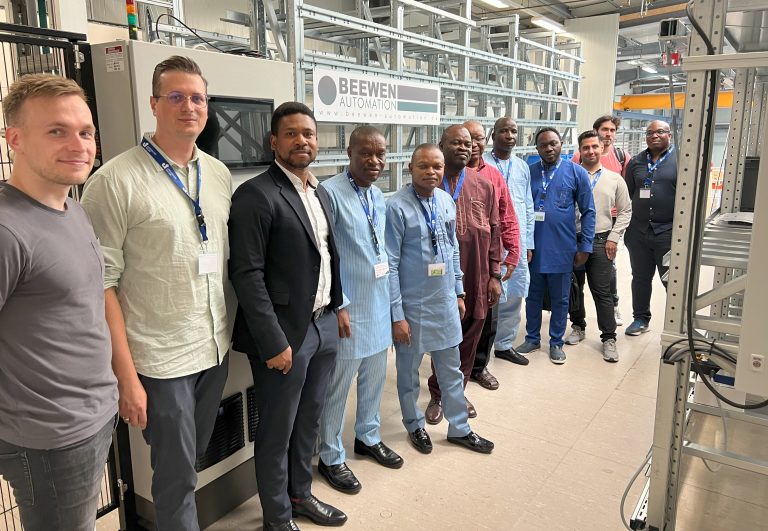
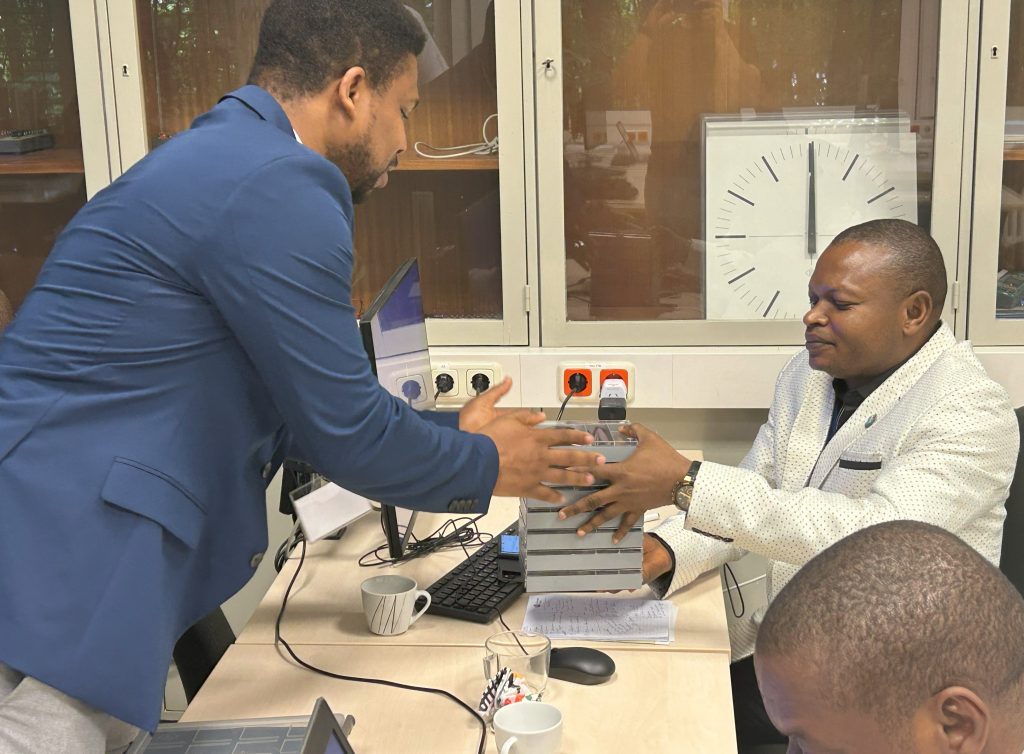
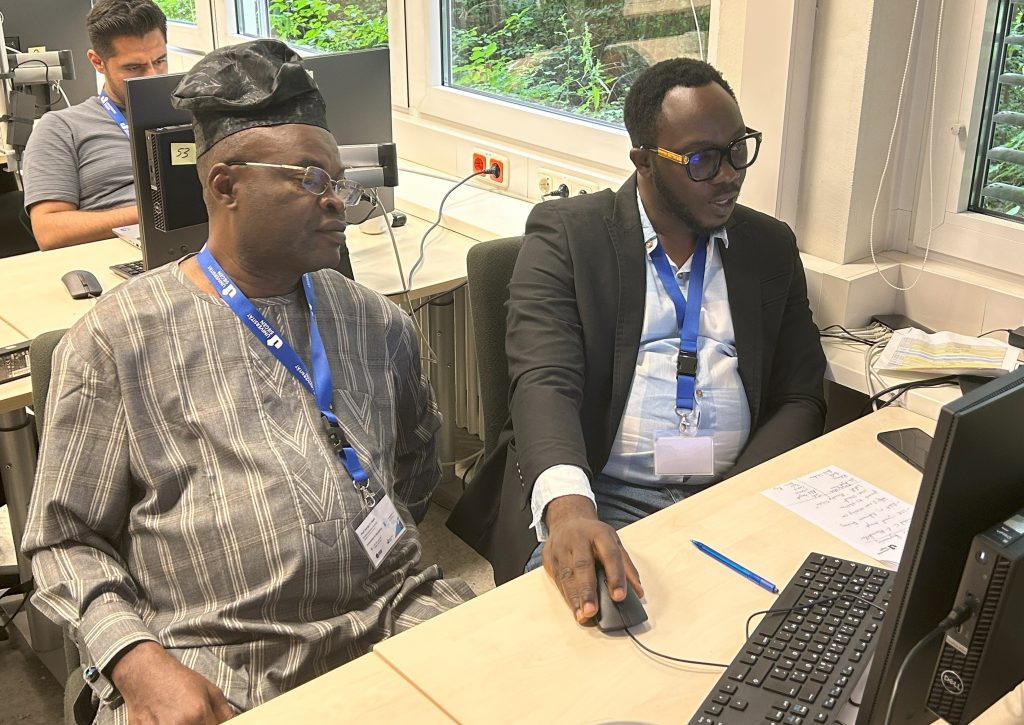
In addition to the project review and wrap-up discussions, the meeting also featured hands-on technical hardware training. These practical sessions further reinforced partners’ technical competencies and supported the delivery of the programme with strong laboratory-oriented components.

Overall, the Final Project Meeting reflected the strong collaboration among all partner institutions and underscored the project’s lasting contribution to advanced education, technical skills development, and long-term academic sustainability in the field of embedded systems.

Summer School - Entrepreneurship Workshop and Hardware Training

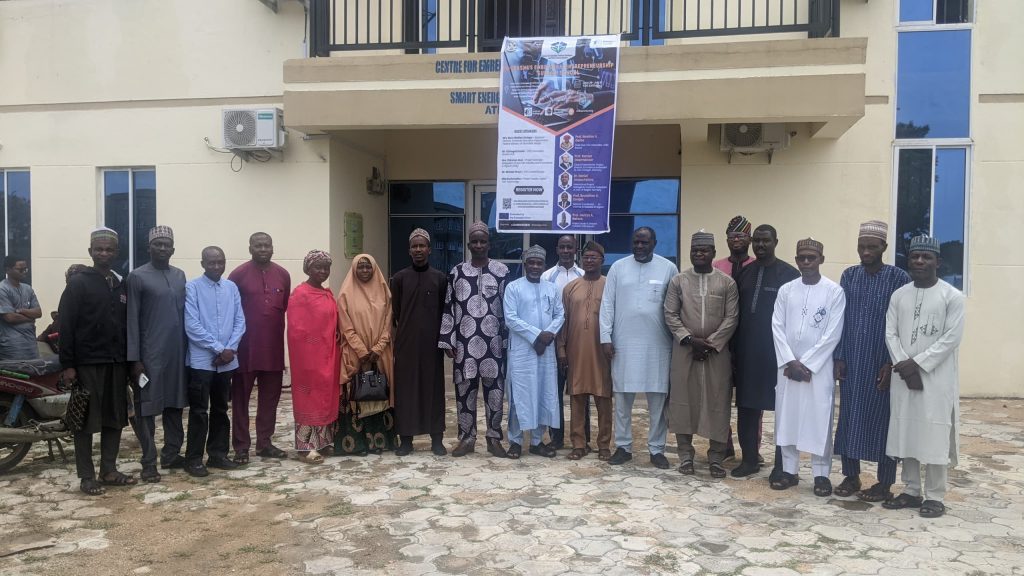
The EmbeddedAI Summer School ran from 30 June to 4 July 2025 in a hybrid format and was delivered jointly across five partner universities, enabling broad participation and shared delivery of training content and discussions.  Across the week, participants combined hands-on learning in embedded systems/FPGA design with entrepreneurship-oriented sessions that linked technical skills to real startup pathways in IoT and related fields.

The Summer School opened with welcoming remarks and an introduction to the programme objectives and agenda. 

A key highlight was the participation of Mrs. Aisha Natsu (Assistant Director, UDE), Federal Ministry of Education, Nigeria, whose contribution underscored the importance of aligning graduate skills development with national priorities for innovation, employability, and technology-driven growth. 
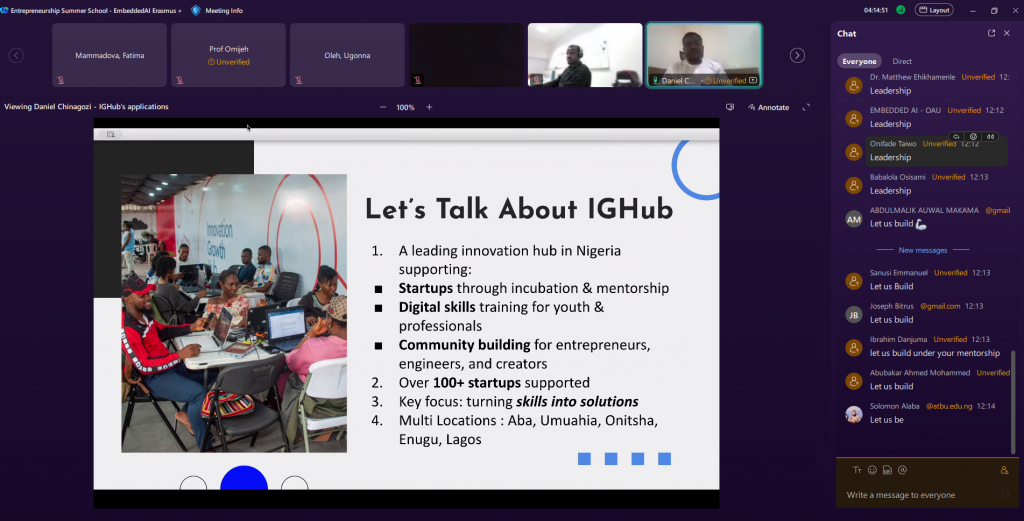
The day also featured talks and discussions with Mrs. Chinenye Ukut (NRW-Africa Portal: “Innovation Made in NRW”), Mr. Chinagozi Daniel (CEO, Innovation Growth Hub) on the Nigerian startup landscape, and Mr. Michael Okoye (CEO, LooseChange) on entrepreneurship journeys and practical steps to launch ventures.

Day 2 continued with entrepreneurship content, including Digital Twin Technology and an entrepreneurship journey by Miss Rucha Kathe, followed by further startup-focused exchange. The programme then transitioned into the technical track, launching the hands-on lab activities that continued throughout the week.

The remainder of the Summer School focused on practical laboratories, enabling participants to strengthen core competencies through guided exercises and supervised implementation work. Activities emphasized structured engineering practice (design → verify → implement) and connected technical development to real product and innovation workflows.

The Summer School concluded with a closing session led by Dr. Daniel Onwuchekwa, reflecting on outcomes and encouraging continued collaboration and next-step innovation activities across the partner institutions.

We thank all speakers and contributors for making the week impactful—especially Mrs. Aisha Natsu (Federal Ministry of Education, Nigeria) for engaging with participants and reinforcing the role of education policy in enabling entrepreneurship and innovation, alongside Mrs. Chinenye Ukut, Mr. Chinagozi Daniel, Mr. Michael Okoye, and Miss Rucha Kathe.

Training and Workshop in Nigeria: Industrial Cooperation @UoA (25–26 March,2025)

The event was delivered in a hybrid format at the University of Abuja (UOA) from 25–27 March 2025. The programme combined a two-day hands-on FPGA Lab Training led by experts from the University of Siegen (25–26 March) with a dedicated Industrial Cooperation day organised by UOA (27 March), creating a practical pathway from skills development to ecosystem engagement.

FPGA Lab Training (25–26 March): What was covered?

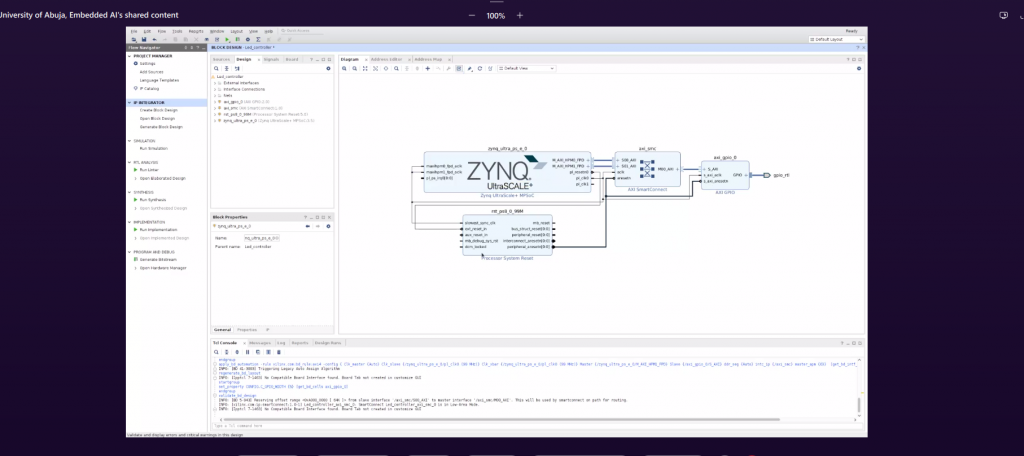
Participants completed a structured lab sequence using the Vivado toolchain and RTL design methodology:

  • Installation and setup of required tools and environments, including configuration checks to ensure a ready-to-use FPGA development workstation.

  • Introduction to the full Vivado workflow (project creation, sources, constraints, build flow), enabling participants to navigate and manage FPGA projects confidently.

  • Functional verification of RTL designs through testbenches and behavioural simulation to validate correctness prior to synthesis.

  • RTL synthesis and implementation steps, including interpretation of reports (timing/resource utilisation) to understand design quality and constraints.

  • Packaging a design as reusable IP and integrating it in a modular manner, demonstrating practical IP-centric design for scalable FPGA systems.

Industrial Cooperation (27 March): Strengthening academia–industry links

On 27 March, the consortium visited key innovation and technology stakeholders in Abuja to identify concrete collaboration opportunities and routes for long-term sustainability. At NCAIR (NITDA), the team engaged in an in-depth exchange with the Centre Director, Dr. Ajala, who outlined ongoing national-impact projects for Federal ministries (e.g., Health, Education, Agriculture) and expressed strong interest in collaboration with the EmbeddedAI consortium. Priority cooperation areas discussed included joint curriculum development, joint research proposals and publications, student internships, and collaboration aligned with government priorities such as privacy and security, agriculture, and health. The visit also included a tour of the NCAIR Fab Lab, showcasing active prototyping capabilities (e.g., robotics, board fabrication, and 3D printing), highlighting clear potential for shared pilot projects and hands-on student engagement.

At the Innov8 Technology Hub, the team observed an end-to-end innovation pipeline—from ideation and design through software development, machining, embedded systems integration, power-unit design, 3D printing, and branding—supported by skilled technical staff. The hub model demonstrated how student and staff innovations can be translated into prototypes and market-ready products. Importantly, TETFund was highlighted as a major enabler of access and sponsorship for educational institutions, suggesting a strong opportunity to pursue structured engagement through the appropriate institutional channels.

The day concluded with a technical visit to the University of Abuja 3MW Solar Farm, where the team toured the monitoring and control facilities and reviewed the operational impact of the installation, including improved power reliability for campus services. In addition, initial contact was established with the Abuja Chamber of Commerce and Industry (ACCI), a strategic avenue to reach the wider business community in Abuja, promote the EmbeddedAI Master’s programme, and explore pathways for industry sponsorship, staff upskilling, and internship placements.

We would like to thank our partners for their strong cooperation and valuable efforts!
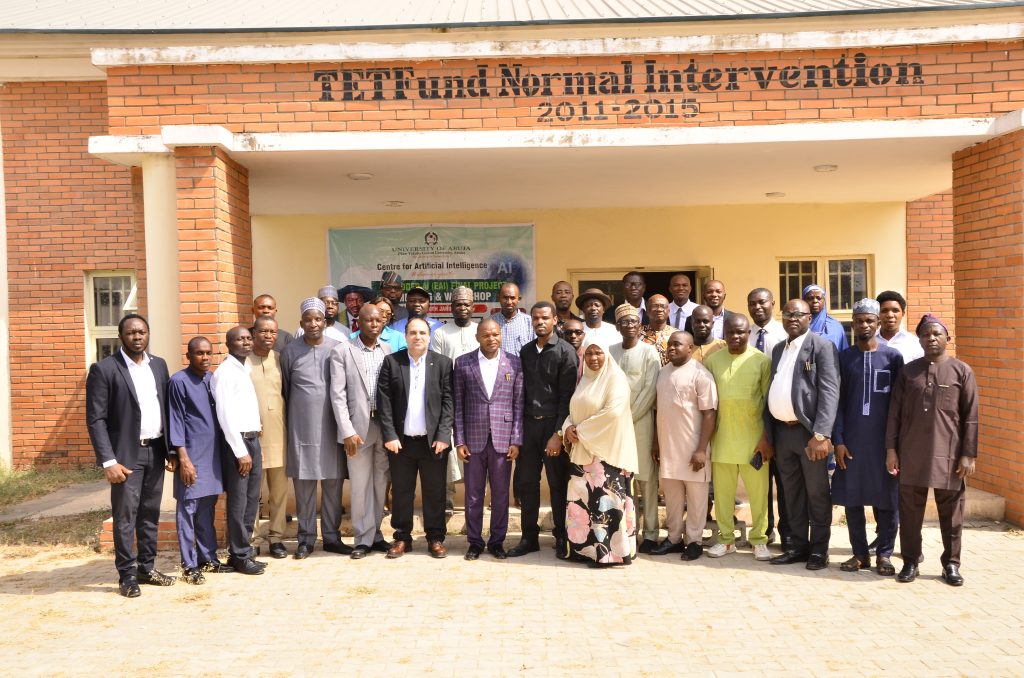
Training and Workshop on EmbeddedAI Application Domains @USI (25-28 March, 2024)

Training and Workshop on EmbeddedAI Apllication domains took place from 25th of March till 28th of March at the University of Siegen. During the event we were honoured to have our rector of Universität Siegen Univ.-Prof. Dr. Stefanie Reese and the Vice Chancellors of our Nigerian partner universities – Prof. Owunari Georgewill (University of Port-Harcourt), Prof. Adebayo Simeon Bamire (Obafemi Awolowo University), Prof. Abdul Rasheed Na’ Allah (University of Abuja), Prof. Maduebibisi O. Iwe (Michael Okpara University of Agriculture, Umudike) and Prof. MUHAMMAD AHMAD ABDULAZEEZ (Abubakar Tafawa Balewa University) on the first day of the EmbeddedAI Workshop within the Erasmus+ Project. We were also happy to hear the presentations from our pro-dean Prof. Dr. Ivor Fleck and the Head of the International Office and Erasmus+ Institutional Coordinator Katharina Sommer.
During the event the project partners had a chance to visit the facilities of the University of Siegen like FabLab, Entrepreneurship Centre and the Buschütten Campus.
We would like to express our thanks to the project coordinator Prof. Dr. Roman Obermaisser (Chair for Embedded Systems) and the project manager Dr. DANIEL ONWUCHEKWA, and our EU partners Prof. Dr. Wilfried Elmenreich (Universität Klagenfurt) and Dr. Viktor Kordas (KTH Royal Institute of Technology).

Training and Workshop on Teaching methodologies and documentation @UPH (22-24 January, 2024)

Our Nigerian partners organized a three-day training course on teaching methods in EU higher education from 22-24 January 2024 in Abuja (UPH) .

The duration of the training and workshop was planned for three days in Abia (MOU) with the participation of our Nigerian partners and European partners, but due to the security concerns in Nigeria, the workshop was moved to UPH (which had suitable facilities) to hold the workshop in a hybrid manner. Our partners from KTH and AAU participated online.


The purpose of this training was to introduce and promote the Bologna system and ECTS to our Nigerian partners. This event produced documentation of training that demonstrated the development of concrete concepts from the methodology learned and provided a blueprint for how to apply them.

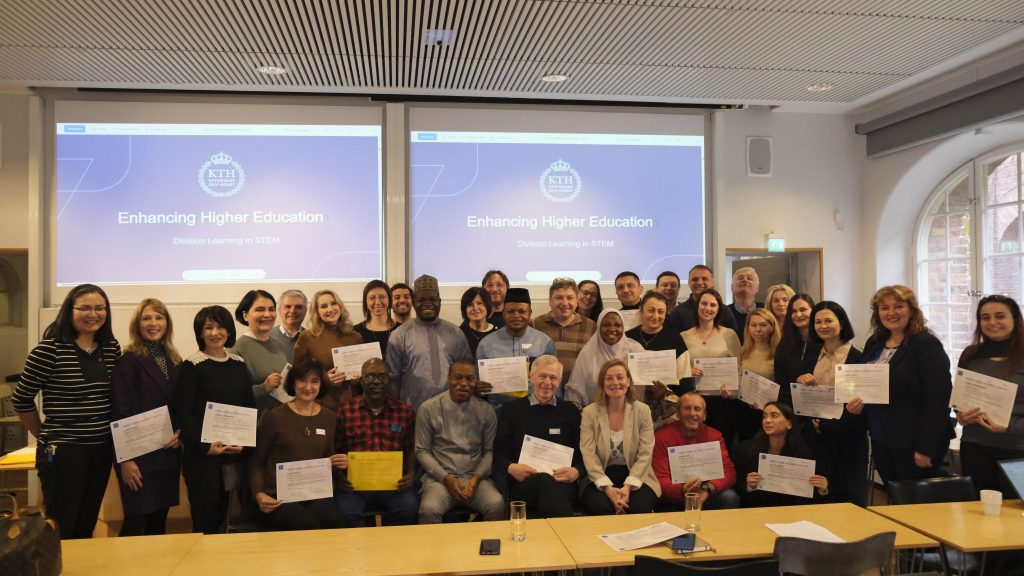
The second training of the EmbeddedAI Masters Program took place at KTH Royal Institute of Technology during 16-20th of October, 2023.

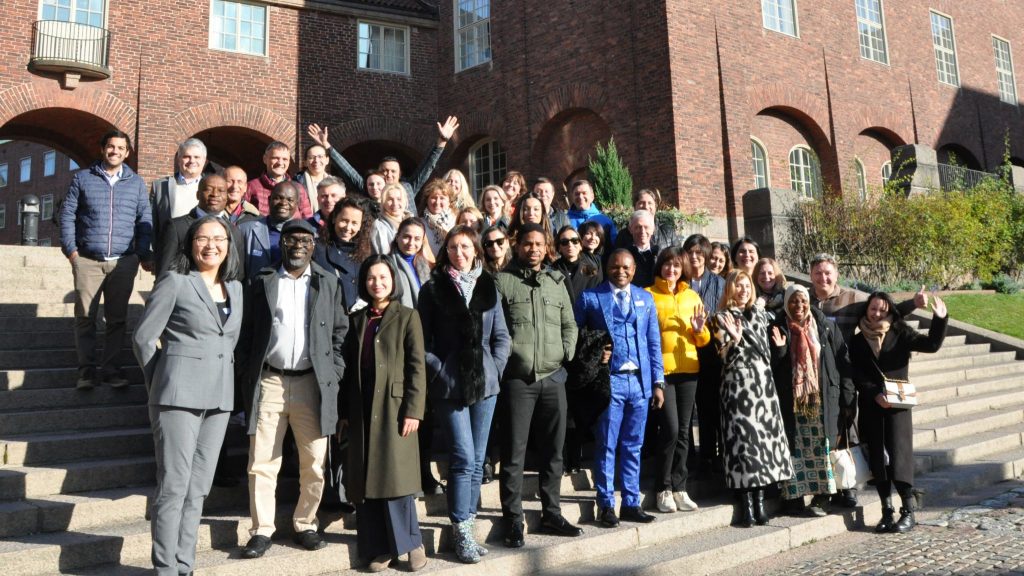
The training included workshops and talks on Enhancing Higher Education, Sustainable Development in Education, Digital Learning in Higher Education, Rethinking Engineering Education, Cost-effective Educational Development, Framework for Future Education. The major part of the training covered the diffrent aspects of the educational concepts. During the week the participants also had a chance to get to know the campus and different faiclities at KTH.

National Project Coordinator Visits Vice-Chancellor of UoA

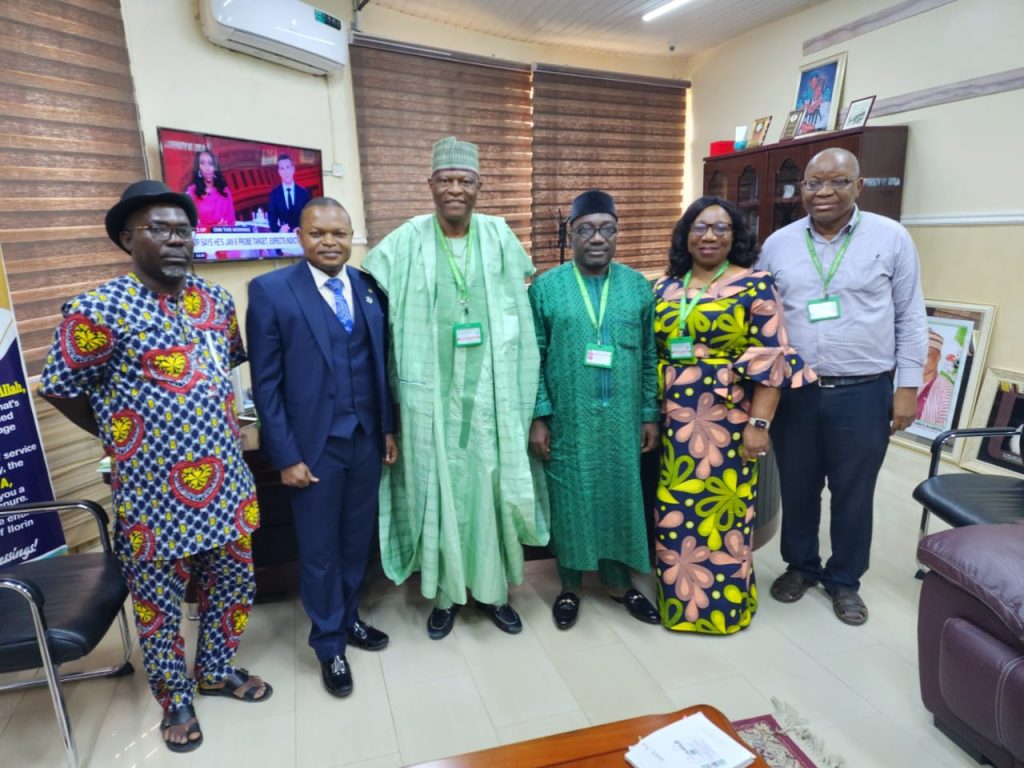
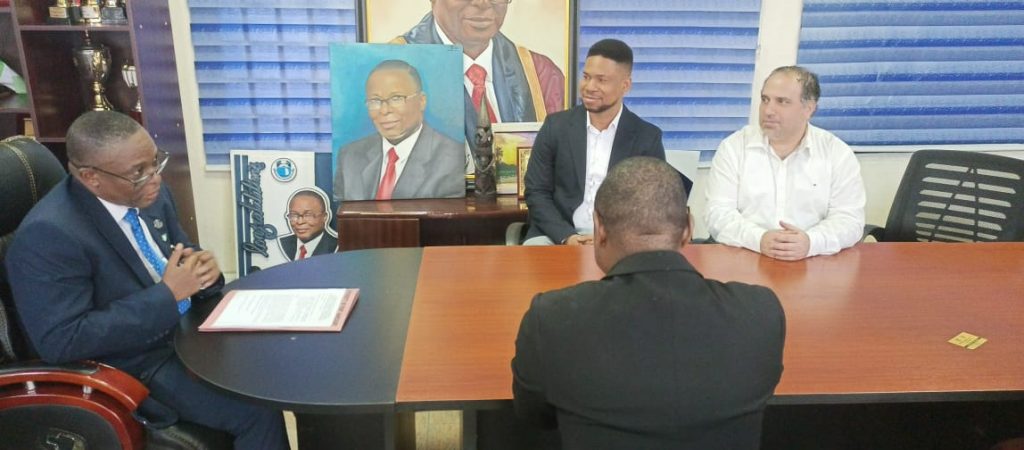
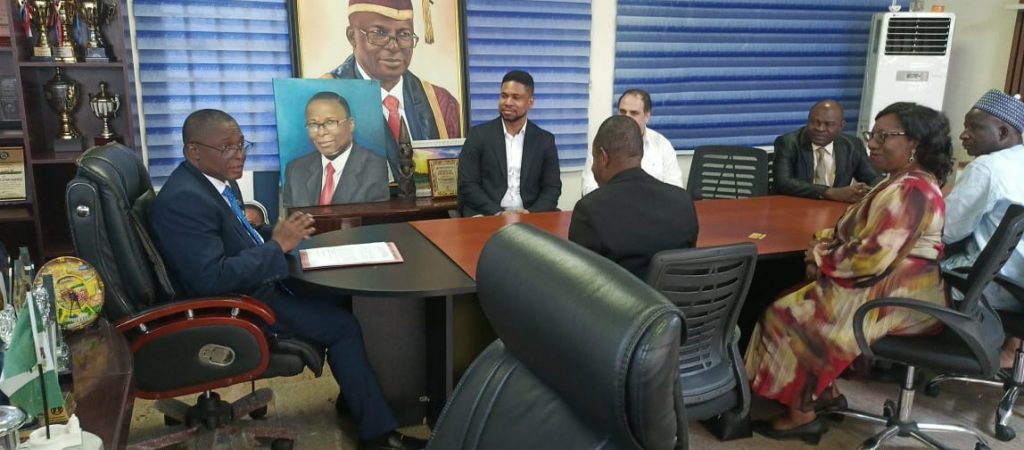
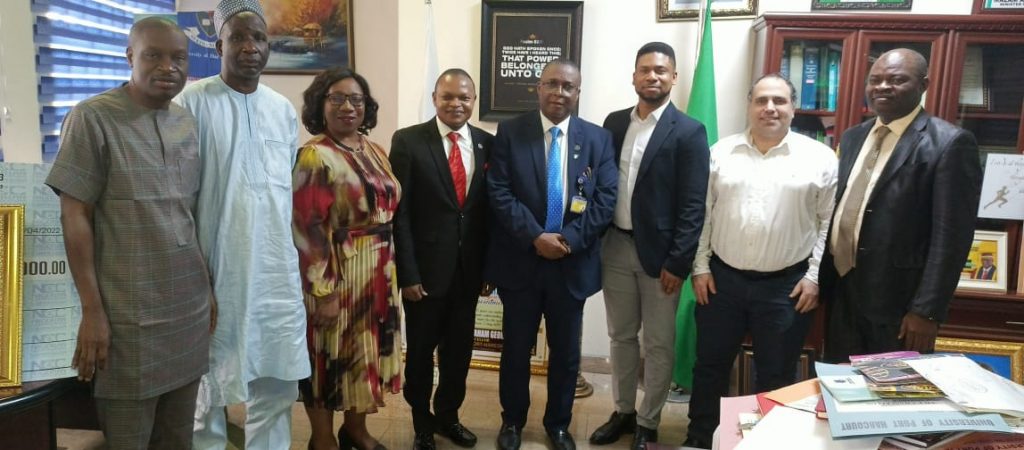
The national project coordinator Professor B. Omijeh (UPH) visited the Vice-Chancellor of University of Abuja(UoA) as part of training activities planned in November 2023. The national project coordinator provided brief introduction about the project and its current activities to the vice-chancellor.

EmbeddedAI Workshop: Training @USI (10-14 July, 2023)

The first workshop of the EmbeddedAI Masters Program took place at University of Siegen (USI) from 10th to 14th of July. 

The workshop included the trainings on FPGA Design and Programming, Introduction to Artificial Intelligence, Artificial Intelligence Deployment on Hardware and Microcontroller Programming. The Partners also visited the Industries in Siegen, which collaberate in different projects with USI. The researches from the Chair of Embedded Systems at USI introduced their research project scope, which led to interesting discussions. Additionally, the week included project meetings and discussion of work packages, deliverables, project sustainability and quality and future plans.  

The workshop was conducted in a hybrid mode, which helped the participants from partner institutions from Nigeria to join the workshop.

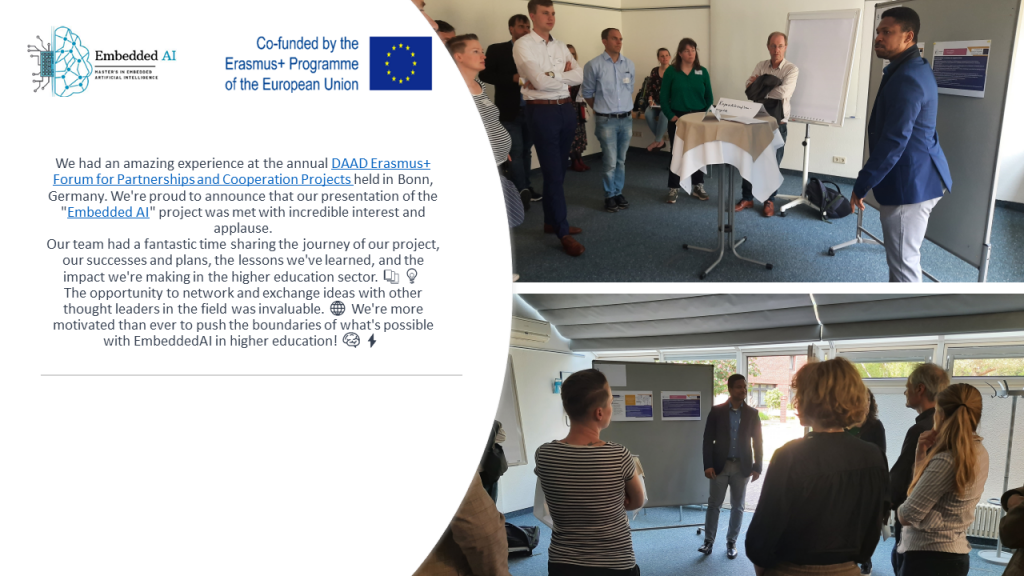
DAAD Erasmus+ Forum for Partnerships and Cooperation Projects - Bonn Germany

Kick-off Meeting

We are pleased to announce that the kickoff meeting for EmbeddedAI  was successfully held on the 15th – 17th February 2023 . The meeting was attended by all key stakeholders, including project managers, team leaders, and technical experts.

During the meeting, we discussed the project goals, objectives, and timelines. We also reviewed the project plan and identified potential risks and challenges. The team shared their thoughts and ideas, and we had a productive discussion about how to best approach the project.

The kickoff meeting was an important milestone in the project and marked the official start of our work. We are excited to begin this new venture and look forward to working together to achieve our goals.

Moving forward, we will continue to hold regular meetings and communicate frequently to ensure the project stays on track. We are confident that with our dedicated team and strategic approach, we will deliver a successful outcome. Stay tuned for more updates on the progress of the project.

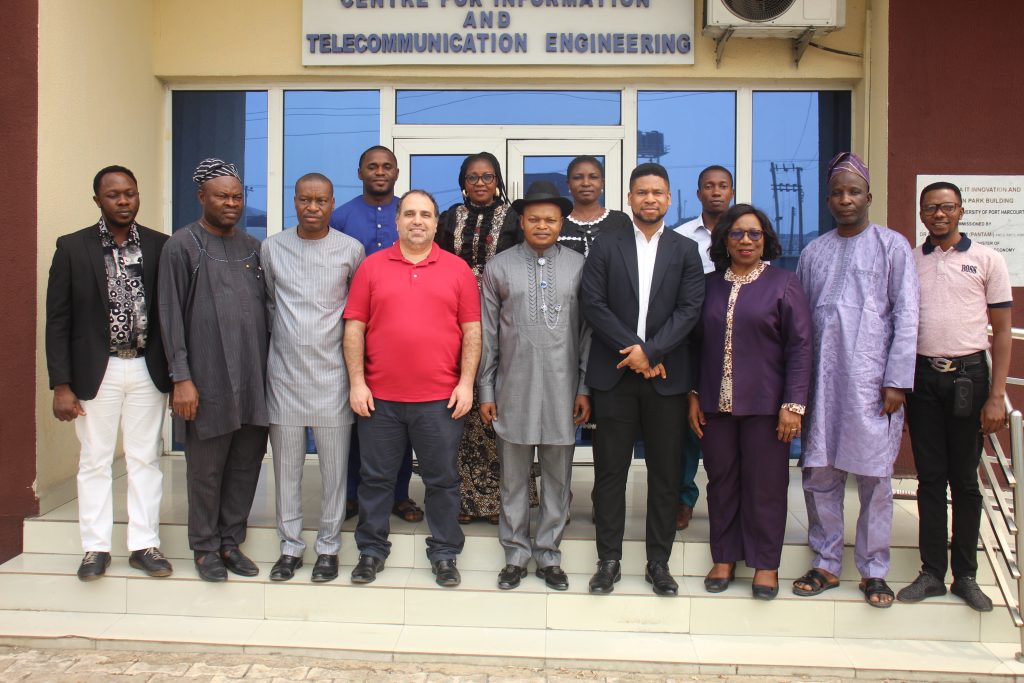
EmbeddedAI Team pays a courtesy visit to the Vice-Chancellor of University of Port Harcourt

A courtesy visit was paid to the Vice-Chancellor of University of Port-Harcourt in his office at the Senate building of the University. The Vice-Chancellor Prof. Owunari Georgewill formally welcomed EmbeddedAI team members on behalf of the Governing Council, Senate, Staff and Students of the University. He emphasized the importance of the meeting that warranted him to host the team right in his office. This was followed by the introduction of the team members individually.

The vice-chancellor went ahead stating the set goals for the project, which includes:

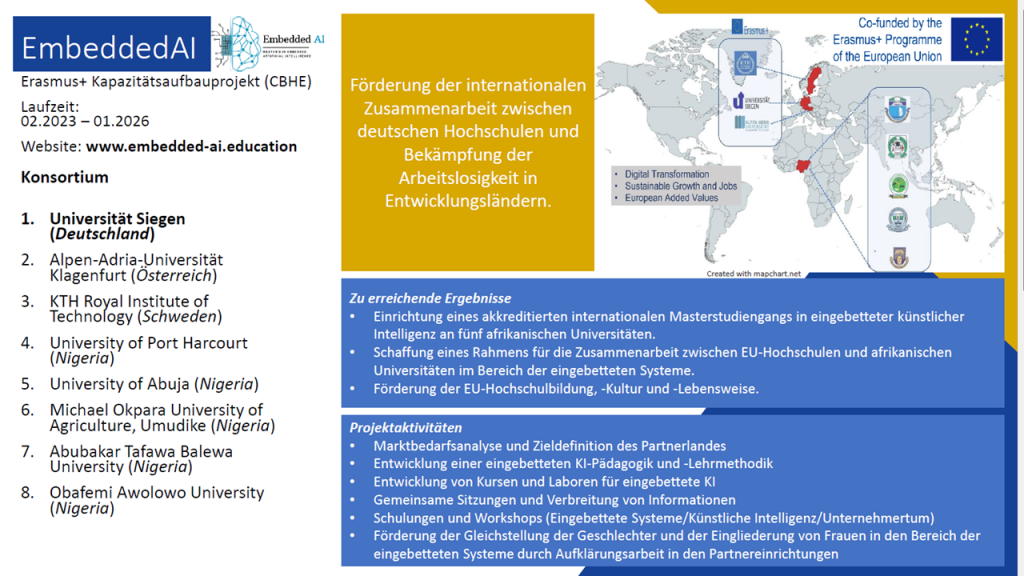
i. To establish a Master’s Programme in Embedded Artificial Intelligence in the five (5) partnering Nigerian Universities with University of Siegen, Germany.

ii. To get NUC accreditation for the established programme within three (3) years of funding from the European Union.

iii. To develop a sustainability plan for the MSc programme after the three (3) years of funding.

The vice-chancellor charged all partners to show and demonstrate a high level of resolute commitment and tenacity of purpose in ensuring the above set goals are achieved with excellent result in record time. He also urged the Nigerian partners to work collectively as a team with the national coordinator of this project, Professor Bourdillon Omijeh to ensure smooth project execution and implementation, especially to ensure that the program get accredited by National University Commission (NUC). He further prayed that God should help them to achieve their aim at the end of the project.

He therefore thanked the EU partners, for this great honour and privilege to partner with them, assuring them a successful and result-oriented partnership.